Devons Road estate rubbish collection for flats
Posted on 27/08/2026

Devons Road estate rubbish collection for flats: a practical local guide
If you live in, manage, or let flats near Devons Road, rubbish has a way of becoming everyone's problem at once. One bag left beside a bin. A sofa dumped after a tenancy change. Recycling that gets mixed up on a busy Sunday night. Before long, the whole estate feels messy, a bit neglected, and harder to live in. Devons Road estate rubbish collection for flats is really about keeping those shared spaces usable, safe, and calm - without turning waste into a weekly argument.
This guide explains how estate rubbish collection for flats typically works, who it suits, where it goes wrong, and how to keep things moving smoothly. If you want a cleaner block, fewer complaints, and a more sensible waste routine, you're in the right place.
Why Devons Road estate rubbish collection for flats matters
Shared estates rely on routine. That sounds obvious, but in real life it's the routine that stops waste from spilling into walkways, entrances, loading areas, and bin stores. A flat block near Devons Road may deal with heavier foot traffic, tenant turnover, delivery packaging, and the usual household waste from dozens of homes all at once. Add a missed collection day, and the problem can snowball quickly.
For residents, the impact is immediate: unpleasant smells, blocked access, extra pests, and a general sense that nobody's in charge. For landlords, managing agents, and resident committees, the stakes are broader. Poor waste handling can lead to complaints, cleaning costs, damaged reputation, and awkward disputes between neighbours. Truth be told, rubbish is rarely "just rubbish" in a communal building. It becomes a shared standard issue.
There's also a visual side to it. Neat bin areas make a block feel cared for. Overflowing bins do the opposite, even if the flats themselves are well kept inside. If you've ever walked past a tidy estate in the early morning, with bins already back in place and the pavement clear, you'll know the difference straight away.
For readers comparing wider support services, it can help to understand the broader approach to local waste collection in Bow and how estate-level waste handling fits into a fuller service mix.
How estate rubbish collection for flats works
In simple terms, estate rubbish collection for flats usually means arranging the removal of household waste, bulky items, and sometimes recycling from a shared residential site. The exact setup depends on the building: some estates use communal bins with scheduled uplift, while others need ad hoc clearance for fly-tipped items, old furniture, or overflowing store areas.
Most good systems start with a quick site check. That might sound dull, but it matters. You need to know where waste is stored, how easy it is to access, whether a vehicle can get close, and whether there are narrow paths, locked gates, or stair-only access. In a block of flats, small access issues can turn a five-minute job into a slow, awkward one. Nobody enjoys carrying broken wardrobes down two flights of stairs at 7am. Nobody.
A typical estate rubbish collection process may include:
- assessing the type and volume of waste
- confirming access to bin stores, courtyards, or service roads
- separating recyclable materials where possible
- removing bulky items safely from communal areas
- loading waste for compliant transport and disposal
- leaving shared areas swept and tidy after collection
If the waste includes renovation debris, broken fixtures, or end-of-tenancy clear-outs, the job may overlap with other services. For example, some flats need support similar to builders waste disposal in Bow, especially after minor works or flat refurbishments.
One practical point people often miss: estate rubbish collection is not only about lifting and loading. It's also about planning. A clean estate is usually the result of a boring but well-run process, not a heroic last-minute clear-up.
Key benefits and practical advantages
When waste handling is organised properly, the benefits show up quickly. Some are obvious; others only become clear after a few weeks of less friction.
- Cleaner shared spaces: Bin stores, entrances, and walkways stay more usable.
- Less neighbour tension: Clear rules reduce "who left this here?" conversations.
- Better pest prevention: Waste left too long can attract unwanted visitors.
- Improved safety: Fewer trip hazards, sharp edges, and blocked exits.
- Faster turnaround after clear-outs: Ideal for moving day, lettings, or refurbishments.
- Better presentation for visitors and buyers: A tidy block feels cared for.
There's also a quieter benefit: peace of mind. Residents notice when the waste system works. They may not mention it, but they feel it. A stable, predictable collection rhythm removes one more little stress from daily life.
Expert summary: In estate settings, the best rubbish collection service is not always the cheapest or the fastest on paper. It's the one that understands access, timing, mixed waste, and the shared nature of flats. That is where the real value sits.
For residents who want to understand the wider service picture, the services overview is a useful way to see how rubbish collection, furniture disposal, and related support can fit together.
Who this is for and when it makes sense
Devons Road estate rubbish collection for flats is most useful when waste is bigger, messier, or more frequent than normal weekly household bins can handle. That includes a few common situations.
- Managing agents dealing with communal bin stores, resident complaints, or regular overflow.
- Landlords clearing waste after a tenancy ends or preparing a flat for new occupants.
- Resident committees trying to improve cleanliness across an estate without overcomplicating things.
- Flat owners who need to remove bulky items without leaving them in shared areas.
- Letting teams dealing with abandoned items, packaging, and short-notice clearances.
It makes sense when the waste is too much for normal day-to-day handling, but not quite a full-scale site clearance. If a tenant has left behind a mattress, a wardrobe, and a pile of bags, for example, that is not really a "we'll sort it later" problem. It needs a proper plan.
Devons Road itself sits within a busy part of East London, and anyone who knows estate life in that kind of setting knows waste has to be managed with timing and access in mind. If you're also thinking about the broader neighbourhood context, our piece on local views from the Bow community gives a useful sense of how people think about day-to-day services in the area.
Step-by-step guidance
If you want a cleaner estate and fewer headaches, a simple process is usually best. Fancy systems often look good in a meeting and then collapse in the real world. Keep it practical.
- Identify the waste problem clearly. Is it general rubbish, bulky furniture, mixed bagged waste, or something left in a communal area?
- Check access conditions. Note gates, codes, stairs, parking limits, lift access, and any narrow routes.
- Separate recyclable items where possible. Cardboard, metal, and some plastics are easier to handle if they're kept apart.
- Remove hazards first. Broken glass, sharp timber, or unstable items should not be left lying around.
- Choose a collection time that suits the block. Early morning, off-peak, or between resident rushes is often best.
- Make sure everyone knows the plan. Residents should know what is being removed and what stays put.
- After collection, inspect the area. A proper finish includes checking for spill, stray packaging, or missed items.
That final inspection is small, but it matters. A half-finished clearance can look worse than the original mess. In our experience, a quick walk-through at the end saves a second visit more often than people expect.
Expert tips for better results
Here's the bit that saves time, money, and frustration. These are the habits that make estate rubbish collection smoother in flats - especially in busy blocks where every shared metre of space seems to be doing three jobs at once.
- Keep bin stores tidy all week, not just collection day. Waiting until the overflow is obvious usually means the space has already become awkward.
- Label resident waste rules plainly. People are more likely to cooperate when the instructions are short and visible.
- Use one contact point for the block. Too many voices means confusion, especially with mixed occupancy buildings.
- Book bulky waste removal early. Flat moves, refurbishment work, and end-of-tenancy clearances rarely run to schedule. A bit of buffer helps.
- Think about noise and neighbours. Collection work done at the wrong time can be disruptive, even if the job itself is quick.
A small but important detail: bagging waste properly before collection makes a big difference in communal blocks. Loose waste is harder to move, messier to contain, and more likely to spread into walkways. It sounds basic. It is basic. Still, it gets missed all the time.
If furniture or bulky items are part of the job, it may also be worth looking at furniture disposal in Bow so you can deal with sofas, wardrobes, and beds in one go rather than in fragments.
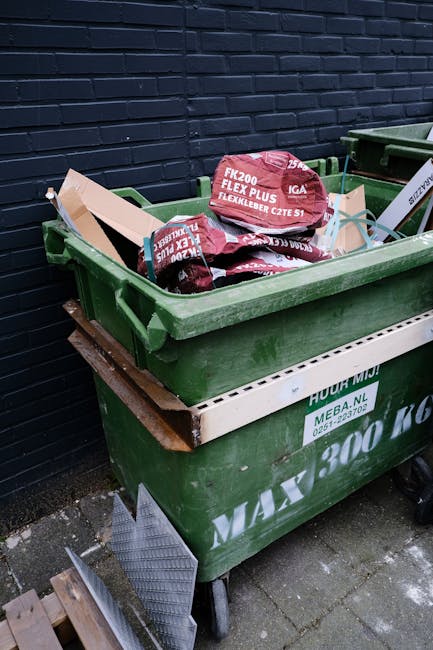
Common mistakes to avoid
Most waste problems in flats are predictable. That's the annoying part. They tend to happen because people assume someone else will handle it, or because the estate uses an improvised system that never quite works.
- Leaving bulky waste beside bins: It creates clutter instantly and can block access for everyone else.
- Mixing recyclable and general waste: Makes sorting harder and can cause avoidable contamination.
- Ignoring access limitations: A collection arranged without checking gate width or parking space can go badly wrong.
- Using shared spaces as temporary storage: Corridors and landings are not spare rooms, however tempting that may be after a move.
- Not coordinating residents: One person's "out by the bin" is another person's "I thought that was being collected."
Another classic mistake is leaving the problem until the smell gets strong enough to force action. By then, cleanup is less pleasant and more expensive. Not ideal, obviously.
Tools, resources and recommendations
You don't need a lot of tools to keep a flat estate waste system under control, but the right basics help.
- Simple notice boards or resident updates for collection dates and block rules.
- Durable sacks and bins suited to the type of waste the estate produces.
- Gloves and basic protective kit for anyone moving sharp or awkward items.
- Lockable bin stores where practical, to reduce fly-tipping and misuse.
- Clear site notes about access, parking, and where waste should be left.
For a broader sense of how waste handling can be paired with other services, the recycling and sustainability page is useful reading. Even in estate settings, a little sorting can reduce waste and keep the whole system tidier.
If the job is part of a wider clear-out, such as after a flat changeover or long-untouched storage area, house clearance in Bow may also be relevant, especially when you need a more complete removal plan.
Law, compliance, standards and best practice
Waste in shared residential settings should always be handled carefully and responsibly. In the UK, that generally means using sensible waste management practices, keeping communal areas safe, and making sure waste is transferred to a lawful disposal route. Exact duties can vary depending on whether you are a resident, landlord, managing agent, or contractor.
In practical terms, good compliance in a flat estate usually means:
- keeping waste out of fire escape routes and shared hallways
- storing waste where it will not create hazards or block access
- sorting materials sensibly where that is possible
- using a provider that understands safe handling and disposal responsibilities
- checking site arrangements before collection day
Where there are safety concerns, especially around lifting, broken items, or awkward access, it's sensible to think about risk before speed. A quick job is still a job that should be done safely. If you want more detail on this side of things, the insurance and safety information page is a useful reference point.
Best practice also includes being careful with sensitive estate environments. Shared spaces can have residents with pushchairs, mobility aids, or limited access at certain times of day. A good collection plan takes that into account rather than bulldozing ahead, so to speak.
Options, methods and comparison table
There are a few ways to handle rubbish collection for flats near Devons Road. The right choice depends on the amount of waste, the urgency, and how much coordination the estate can manage.
| Method | Best for | Strengths | Limitations |
|---|---|---|---|
| Regular communal bin collection | Routine household waste | Simple, familiar, works well when residents cooperate | Not ideal for bulky items or overflow |
| Ad hoc estate rubbish collection | Overflow, abandoned bags, one-off cleanups | Flexible, quicker than waiting for routine collection | Needs good access planning and resident coordination |
| Bulky waste removal | Furniture, mattresses, large broken items | Clears space fast, reduces clutter in shared areas | May require preparation and clearer timing |
| Full flat or block clearance | End-of-tenancy, refurbishment, estate-wide cleanouts | Most comprehensive option | More planning, more time, usually more coordination |
If you are choosing between those methods, think about what problem you actually have. Not what sounds impressive. A small estate overflow issue does not need a dramatic response, but a blocked bin store after a tenancy change probably does.
Case study or real-world example
Imagine a medium-sized flat block near Devons Road with a shared bin area at the rear. Two residents move out in the same week. One leaves a dismantled bed frame and some packaging. Another household adds a few black bags beside the bins because the store is already full. By the weekend, the space feels cramped, and someone else starts leaving rubbish just outside the door because, well, "there was nowhere else."
That's how these issues grow. Quietly. Not with a bang.
The sensible response is not to wait for the next routine collection and hope for the best. It is to clear the bulky items, remove the overflow, sweep the area, and reset the shared space before people get used to the mess. Once the block sees the bin area returned to normal, behaviour usually improves as well. Residents are more likely to use a clean, ordered space properly.
One thing we notice time and again is that a good clear-up does more than remove waste. It changes the tone of the building. People stop assuming nobody's watching. The estate feels managed again. Small thing, maybe, but it matters.
Practical checklist
Use this quick checklist before arranging rubbish collection for a flat estate.
- Confirm the type of waste you need removed.
- Check whether any items are bulky, heavy, or awkward to move.
- Note access details: gates, stairs, lifts, parking, and loading space.
- Tell residents what is being collected and where waste should be left.
- Separate recyclables where practical.
- Remove hazards such as glass, sharp timber, or unstable stacks.
- Pick a time that limits disruption to residents.
- Inspect the area after the collection is complete.
- Reset signage or bin rules if people have started leaving waste incorrectly.
- Keep a note of what worked well for next time.
If you can tick most of those off, you're already ahead of many blocks. Really, you are.
Get a free quote today and see how much you can save.
Conclusion
Devons Road estate rubbish collection for flats is one of those jobs that only looks simple from a distance. In reality, it depends on access, timing, communication, and a clear understanding of how shared spaces behave when waste starts building up. Get those pieces right, and the whole estate feels easier to live in. Get them wrong, and a small waste issue can become everyone's problem by Friday afternoon.
The good news is that the fix is usually straightforward: assess the waste properly, choose the right removal method, and keep the block informed. That combination goes a long way. It keeps people happier, helps the estate look cared for, and removes a lot of low-level stress that nobody needs in daily life.
If you're planning ahead, start with the practical details and work outward from there. That's usually the calmest way through it.

 Tipper Van - Waste Collection and Builders Rubbish Clearance Prices in Bow, E3
 Luton Van - Waste Collection and Builders Rubbish Clearance Prices in Bow, E3


